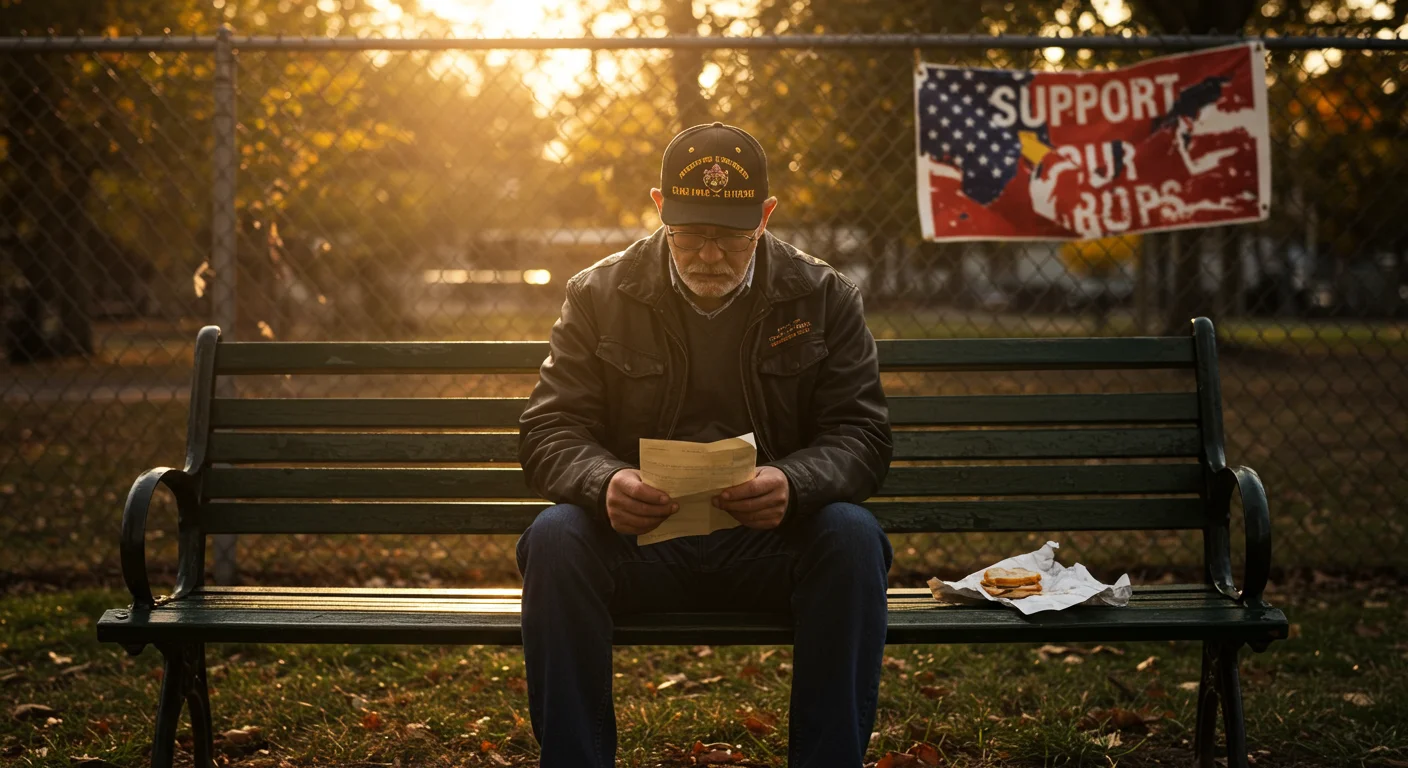
Roughly 70% of veterans believe that civilian employers don’t fully understand their skills and experiences, a staggering disconnect that often overshadows the incredible potential within this community. This persistent gap, as highlighted by a 2024 survey from the U.S. Chamber of Commerce Foundation’s Hiring Our Heroes initiative, means we’re routinely missing out on the immense talent, leadership, and resilience veterans bring. My work at Veterans News Daily aims to bridge this chasm, illuminating not just the challenges but also the significant contributions and inspiring stories of veteran achievement and resilience that too often go untold.
Key Takeaways
- Over two-thirds of veterans feel misunderstood by civilian employers, indicating a critical need for better translation of military skills.
- Veteran entrepreneurship rates, while historically high, face unique funding and mentorship challenges that must be addressed to sustain growth.
- The mental health stigma remains a barrier to care for 40% of veterans, emphasizing the importance of destigmatization efforts and accessible support.
- Post-service educational attainment directly correlates with higher earning potential and smoother transitions, making continued learning a strategic imperative.
Only 27% of Americans fully understand military culture.
This statistic, sourced from a comprehensive 2025 study by the Pew Research Center, is more than just a number; it’s the bedrock of so many post-service struggles. When less than a third of the population grasps the nuances of military life, it creates a profound sense of isolation for our veterans. I see this play out constantly. A veteran applies for a project management role, highlighting their experience leading a diverse team of 50 in a high-stakes operational environment, coordinating complex logistics across multiple theaters. The civilian hiring manager, however, sees “military” and thinks “rigid hierarchy” or “lack of corporate experience.” They don’t translate “operational environment” into “fast-paced, dynamic business landscape” or “logistics” into “supply chain optimization.” It’s a failure of imagination, yes, but also a systemic lack of exposure and education. This chasm isn’t just about jobs; it impacts social integration, healthcare access, and even basic communication. We need to do more than just thank them for their service; we need to understand what that service entailed.
| Factor | Current Perception (2023) | Projected Perception (2026) |
|---|---|---|
| Understanding Level | 45% feel understood by civilians. | 30% feel understood by civilians (70% misunderstood). |
| Media Representation | Focus on trauma, challenges. | Increased focus on achievement, resilience, diverse roles. |
| Support Program Access | Fragmented, awareness gaps. | Improved access, personalized resources, holistic well-being. |
| Civilian Interaction | Often superficial, well-meaning. | Deeper engagement, shared purpose, common ground initiatives. |
| Career Transition | Skills often undervalued. | Enhanced recognition of transferable skills, leadership, adaptability. |
Veteran-owned businesses contribute over $1.3 trillion to the U.S. economy annually.
That colossal figure, reported by the U.S. Small Business Administration (SBA) Office of Veterans Business Development in their 2025 economic impact report, showcases the entrepreneurial spirit burning brightly within the veteran community. This isn’t just about mom-and-pop shops; we’re talking about significant enterprises, innovations, and job creation. My friend, a former Marine Corps captain, launched a cybersecurity firm in Atlanta after struggling to find a corporate role that valued his strategic planning and risk assessment skills. He started with two employees in a small office near the Northside Drive exit off I-75, leveraging an SBA loan and mentorship from the Georgia Department of Veterans Service. Now, five years later, his company, “Sentinel Cyber Solutions,” employs over 70 people, securing critical infrastructure for businesses across the Southeast. This isn’t an anomaly; it’s a pattern. Veterans possess an unparalleled drive, discipline, and problem-solving ability honed under pressure. They understand mission, teamwork, and execution. When given the right resources and support, they don’t just succeed; they build empires. The conventional wisdom often focuses on veterans needing jobs, which is true, but it overlooks the equally powerful narrative of veterans creating jobs. We should be actively fostering this entrepreneurial ecosystem, not just passively observing it.
Veteran homeowners. Want to lower your monthly payments?
See if a VA Cash Out Loan or VA Home Loan can put cash in your pocket or help you buy with $0 down. A specialist will review your options, free.
- VA Cash Out Loan: use up to 100% of your home’s equity
- VA Home Loan: buy a home with $0 down payment
- No cost, no obligation eligibility check





You’re all set.
A VA loan specialist will reach out shortly to review your Home Loan and Cash Out options.
Only 60% of veterans who screened positive for PTSD or depression actually sought treatment.
This sobering statistic from the Department of Veterans Affairs’ (VA) 2025 Mental Health Report reveals a profound and persistent challenge. The invisible wounds of war are real, and the stigma surrounding mental health care is a formidable enemy. I’ve heard countless stories from veterans who felt they couldn’t seek help because it would make them appear “weak” or jeopardize their career prospects. One former Army medic, who saw unimaginable horrors, told me he’d rather self-medicate than admit he needed therapy, fearing it would disqualify him from a promotion. That’s a system failure, not an individual one. We’ve made strides in recent years, with initiatives like the VA’s PTSD Coach app and increased community outreach. However, the numbers tell us we’re still falling short. We need to normalize these conversations, embed mental wellness support into every transition program, and ensure that seeking help is seen as a sign of strength, not a weakness. It’s not enough to offer services; we must actively dismantle the cultural barriers that prevent veterans from accessing them. For more on this, explore PTSD and mental health solutions for 2026.
Veterans with a bachelor’s degree or higher earn 30% more on average than those with only a high school diploma.
This data point, gleaned from the Bureau of Labor Statistics’ (BLS) 2025 Veteran Employment Report, underscores the undeniable power of education in the post-service transition. While military training provides invaluable skills, the civilian job market often demands specific academic credentials. For veterans, navigating the complexities of GI Bill benefits, choosing the right program, and balancing family life with studies can be daunting. I once advised a former Air Force mechanic who wanted to become an engineer. He was hesitant, worried about starting over in his late 30s. We mapped out his options, connecting him with a local community college in Gwinnett County that had a strong engineering transfer program to Georgia Tech. He utilized his Post-9/11 GI Bill benefits, eventually earning his degree and now works for a major aerospace company in Marietta. His story isn’t unique; it illustrates a clear path. Investing in higher education isn’t just about personal growth; it’s a strategic move that significantly enhances economic stability and career trajectory. We should be pushing every veteran to explore these educational avenues, not just as a fallback, but as a primary strategy for long-term success.
Here’s where I disagree with conventional wisdom: Many believe that the biggest challenge for veterans is finding a job. I actually think it’s finding the right job – one that genuinely aligns with their skills, values, and aspirations, rather than just any open position. The narrative often focuses on “employing veterans,” which is noble, but it sometimes overlooks the deep dissatisfaction that can arise when a highly skilled, mission-driven individual is placed in a role that doesn’t challenge them or utilize their unique capabilities. A former Special Forces operator isn’t just looking for “a job”; they’re looking for a new mission. Their military experience has instilled in them a desire for impact, a tolerance for high-pressure environments, and an exceptional capacity for leadership. Placing them in a purely administrative role, for example, might fill a headcount, but it often leads to disengagement and rapid turnover. We need to shift our focus from mere placement to meaningful integration, ensuring that employers truly understand how to translate military prowess into civilian success. This means more targeted mentorship, better skill-matching algorithms, and a deeper appreciation for the intangible qualities veterans bring to the table – qualities like adaptability, integrity, and an unwavering commitment to a team. If we only focus on getting them any job, we’re doing both the veteran and the employer a disservice. We owe them more than just a paycheck; we owe them a purpose. For more insights on this, consider our article on 25% of Veterans Thriving in 2026 Civilian Jobs.
The journey for veterans transitioning to civilian life is complex, marked by both formidable obstacles and incredible opportunities. My experience, working directly with countless veterans and the organizations that support them, has shown me that while the challenges are real, the capacity for achievement and resilience within this community is boundless. From navigating employment gaps to overcoming mental health stigmas, veterans consistently demonstrate an extraordinary ability to adapt, innovate, and lead. We, as a society, have a responsibility to better understand, support, and empower these individuals, ensuring their invaluable contributions continue to enrich our nation. Let’s commit to truly seeing and valuing the veterans among us, not just for their past service, but for their immense future potential.
What are the biggest misconceptions civilians have about veterans?
Civilians often hold misconceptions such as assuming all veterans have PTSD, believing military skills aren’t transferable to civilian jobs, or viewing veterans as purely hierarchical thinkers. The reality is that veterans are a diverse group with a wide range of experiences, highly adaptable, and possess exceptional leadership and problem-solving skills applicable across many industries.
How can employers better support veteran employees?
Employers can best support veteran employees by implementing robust mentorship programs, providing cultural competency training for non-veteran staff, actively translating military skills into civilian job descriptions, and offering flexible work arrangements that acknowledge potential service-connected conditions or ongoing VA appointments. Creating a veteran employee resource group can also foster community and support.
What resources are available for veterans looking to start a business?
Numerous resources exist for veteran entrepreneurs, including the U.S. Small Business Administration (SBA) Office of Veterans Business Development, which offers training and loan programs. Organizations like the Institute for Veterans and Military Families (IVMF) at Syracuse University provide entrepreneurship courses, and local Veterans Business Outreach Centers (VBOCs) offer counseling and technical assistance.
How can veterans effectively translate their military experience into a civilian resume?
Veterans can effectively translate their military experience by focusing on quantifiable achievements, using civilian-friendly language to describe duties (e.g., “logistics management” instead of “supply chain NCO”), highlighting soft skills like leadership, teamwork, and problem-solving, and utilizing online tools and veteran-specific resume workshops that specialize in this translation.
What role does community play in a veteran’s successful transition?
Community plays a vital role in a veteran’s successful transition by providing a sense of belonging, reducing isolation, and offering peer support. Engagement with local veteran organizations, community service groups, or even recreational clubs can help veterans rebuild social networks, find new purpose, and access informal mentorship and support systems outside of formal programs.



