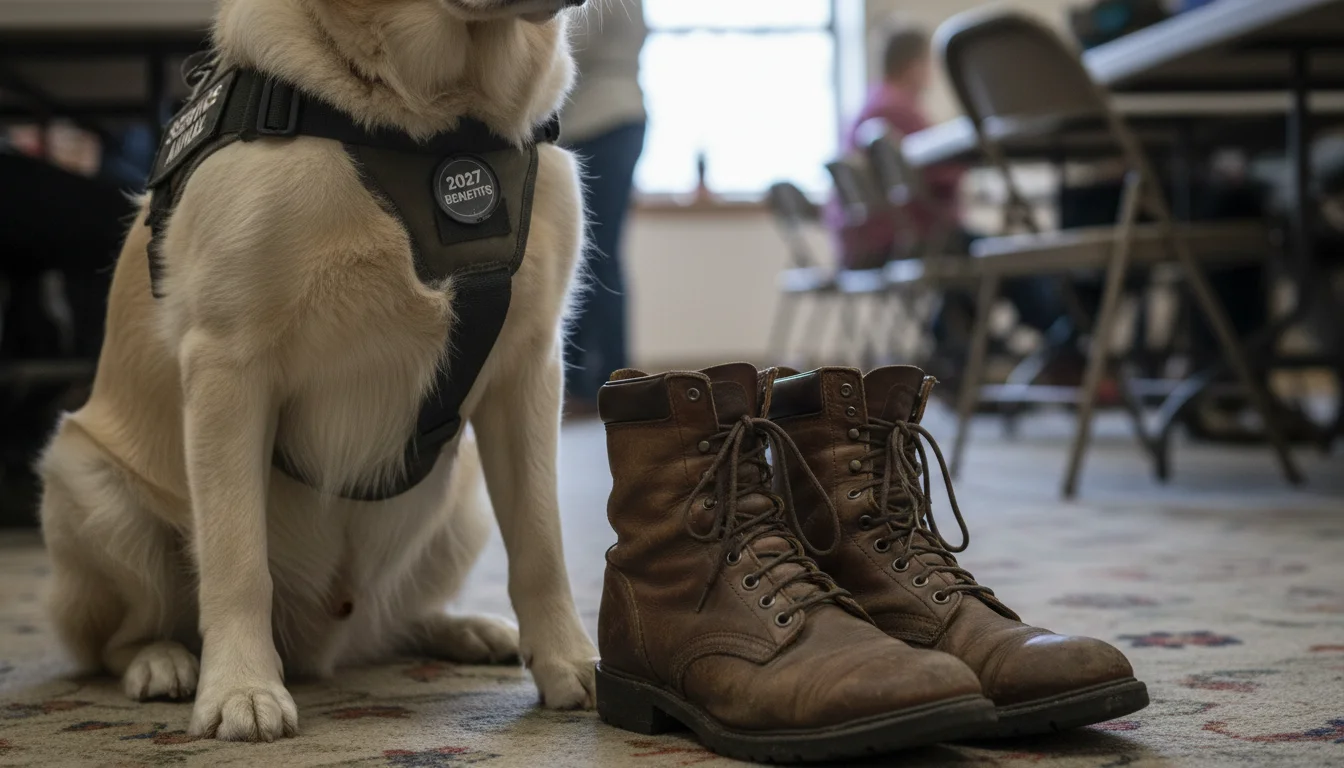
When we look past November 2026, the VA payment outlook for veterans and their families is going to be a mixed bag, getting pushed and pulled by new laws, economic forecasts, and the government’s basic promise to those who’ve served. If you’re a veteran trying to plan your finances, you need to know how your compensation, pension, and other support might shift. So what’s actually on the horizon?
Key Takeaways
- You can count on the annual Cost of Living Adjustment (COLA) for VA benefits to continue, since it’s tied to Social Security’s inflation calculations and keeps your benefits in line with rising prices.
- New laws, whether they’re tweaks to how the PACT Act works or completely new programs for certain groups of vets, are going to change who’s eligible for what and how the benefits are structured.
- The VA is going to keep pushing for digital services and direct deposit for all payments, which will change how and when you get your money.
- Expect more hoops to jump through for some future benefits, as the VA faces pressure to run its programs efficiently and clamp down on fraud, which means tighter verification processes.
- Advocacy groups are putting a lot of muscle behind expanding mental health services and caregiver support, which could easily turn into new or bigger financial aid programs in those areas.
The Economic Drivers Behind Future Benefits
The whole VA payment outlook is tied directly to the economy, specifically inflation and the resulting Cost of Living Adjustment (COLA). The VA’s annual COLA almost always matches the one set by the Social Security Administration (SSA). This means when inflation goes up (measured by the CPI-W), your VA compensation and pension rates go up too, with the change usually happening on December 1st. We don’t have the exact numbers for 2027 yet, but you just have to look at the history to see the direct connection. Keep an eye on SSA announcements, because what they decide is a huge clue for what VA beneficiaries can expect.
Of course, it’s not just about COLA. The country’s overall economic health matters a lot. Things like GDP growth, unemployment numbers, and what Congress decides to put in the federal budget have a direct line to the money available for veteran programs. A booming economy can fund more services and maybe even bigger benefit checks. A downturn, on the other hand, usually means tighter budgets. They almost never make direct cuts to benefits you’re already getting, but a weak economy can definitely slow down the creation of new programs or improvements to old ones. The Congressional Budget Office (CBO) puts out long-term budget projections that, while not just for the VA, give you a good sense of the financial climate our lawmakers will be operating in.
Legislative Field: PACT Act and Beyond
The Honoring Our Promise to Address Complete Toxics (PACT) Act of 2022 was a massive win, expanding VA health care and benefits for vets exposed to toxic stuff. Getting it fully rolled out is a multi-year job, so after 2026 we’re going to see them keep tweaking it and maybe even expanding it. For future benefits, this law changes everything by making it possible for veterans with conditions from burn pits, Agent Orange, and other hazards to finally get their claims approved. The VA is still buried in PACT Act claims, and as more vets figure out they’re eligible, that workload will continue to affect how long it takes to get anything processed.
The work isn’t done with the PACT Act, though. What’s next? Advocacy groups like Disabled American Veterans (DAV) and the American Legion are always on Capitol Hill, pushing new ideas to help vets or fix broken programs. Right now, there’s a lot of talk about opening up caregiver support programs to more veterans or getting more funding for better mental health treatment. Nothing is a sure thing in Congress, but there’s always something in the works. The best way to know what’s coming is to follow veteran service organizations (VSOs) that watch this stuff like a hawk. They’ll tell you what’s being proposed and how it could actually affect your benefits.
Veteran homeowners. Want to lower your monthly payments?
See if a VA Cash Out Loan or VA Home Loan can put cash in your pocket or help you buy with $0 down. A specialist will review your options, free.
- VA Cash Out Loan: use up to 100% of your home’s equity
- VA Home Loan: buy a home with $0 down payment
- No cost, no obligation eligibility check





You’re all set.
A VA loan specialist will reach out shortly to review your Home Loan and Cash Out options.
Technological Advancements and Service Delivery
The VA’s big push into technology is going to have a huge effect on the VA payment outlook. They’re modernizing their old claims systems and building out online tools like VA.gov to make managing your benefits less of a headache. By 2027, you should see an even smoother process that relies more on you uploading documents electronically and maybe even some AI helping to sort through claims. This move toward digital processing should cut down on the massive backlogs and mistakes, which means getting benefits into the hands of eligible veterans much faster.
Direct deposit is already how most VA payments are made, and that’s not going to change. The VA wants everyone on direct deposit because it’s safer and cheaper to manage. If you’re one of the few still getting paper checks, expect the VA to keep nudging you toward an electronic option. This digital-first approach also applies to communication, so expect to use secure messaging and online appointment tools even more. All this tech is great for convenience, but it does mean vets have to be comfortable using a computer. The VA and many VSOs have people and resources to help you get up to speed on these digital platforms. Getting comfortable with these digital tools ensures you get timely and secure access to the benefits you’ve earned.
Program Integrity and Future Scrutiny
When you’re spending this much federal money on veteran benefits, you’re going to get a lot of oversight. The focus on program integrity and fighting fraud isn’t going away, and you’ll probably see more of it after 2026. The VA and its watchdog, the VA Office of Inspector General (VA OIG), are always auditing benefit programs to make sure the money is going to the right people. For you, this could mean more aggressive requests to verify your information, especially for complicated medical claims or dependency benefits.
You should be ready for the VA to ask for updated documents or to periodically review your case, particularly if your benefits aren’t considered permanent and total. I know these reviews can feel like a burden when you’re just trying to live your life. The best thing you can do is keep good records of everything and respond right away when the VA asks for something. Being transparent and organized is your best shield. This focus on program integrity ensures the whole benefits system remains viable for all veterans for the long haul, balancing easy access with real accountability.
Evolving Needs: Mental Health and Caregiver Support
The conversation around mental health and the huge job that caregivers do has completely changed in recent years. Looking past 2026, the VA will have to keep evolving to meet these needs, which will likely change your future benefits. The PACT Act did touch on mental health, but there’s a much bigger push happening to make mental health care a normal and integrated part of a veteran’s overall wellness. This will probably lead to better access to therapy, more telehealth appointments, and more community programs, all of which are major benefit upgrades, even if they aren’t direct payments.
Caregiver support is another area that’s set for a big expansion. The VA’s Program of Complete Assistance for Family Caregivers (PCAFC) has already gone through some changes, but advocates are still fighting to open it up to more people and to get more money to the families caring for our most severely injured vets. Any law that changes this program will have a direct financial impact on thousands of families. Supporting mental health and caregivers improves a veteran’s quality of life and actually reduces the long-term strain on the healthcare system. The 2027 forecasts point to continued growth here to meet these critical needs.
VA payments are always changing, thanks to the economy, politics, and our changing understanding of what veterans need. The best thing you can do is keep up with official info from the VA and listen to trusted VSOs. It’s the only way to make sure you’re getting every single benefit you earned.
Will VA disability compensation increase every year?
Yes, it usually does. VA disability compensation gets an annual Cost of Living Adjustment (COLA) that’s tied to the one Social Security uses. This is done to make sure your benefits keep up with inflation.
How does the PACT Act continue to affect future VA benefits?
The PACT Act is still being rolled out, so it will keep opening the door for more veterans to get VA health care and benefits. It specifically helps vets who were exposed to toxic substances like burn pits and Agent Orange get approved for related conditions.
Are there any new benefits expected for veteran caregivers?
There’s a lot of pressure from advocacy groups to expand eligibility and get more financial help to veteran caregivers. While nothing is guaranteed to pass Congress, all signs point to continued efforts to improve the VA’s Program of Complete Assistance for Family Caregivers (PCAFC).
Will VA payments become entirely digital by 2027?
It’s heading that way. The VA is pushing hard for everyone to use direct deposit because it’s safer and more efficient. The vast majority of payments are already electronic, and while a few paper checks might hang around, the future is definitely digital.
How can I stay updated on changes to my VA benefits?
Check the official VA.gov website often, sign up for the VA’s newsletters, and get connected with a good veteran service organization (VSO) like the DAV or the American Legion. They provide good, timely updates on new laws and benefit changes.



