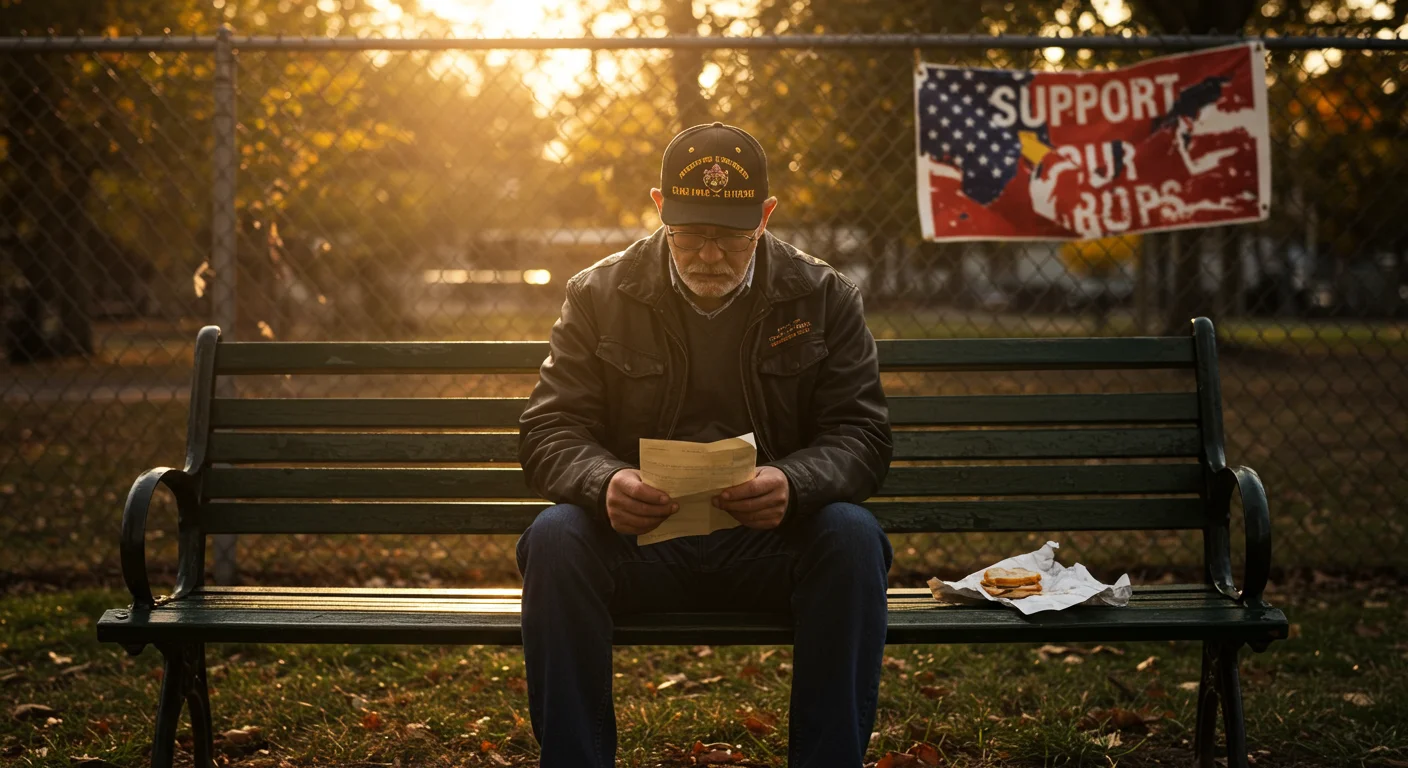
A staggering 73% of veterans report difficulty transitioning to civilian life, a statistic that underscores the profound need for targeted, empathetic support. Successfully catering to veterans of all ages and branches isn’t just about offering services; it’s about understanding a complex tapestry of experiences and needs. But how do we truly bridge the civilian-military divide effectively?
Key Takeaways
- Only 4% of post-9/11 veterans accessed VA mental health services in their first year post-service, highlighting significant underutilization.
- The veteran unemployment rate for those aged 18-24 often doubles the national average for their civilian peers, necessitating specialized job placement programs.
- A 2024 study showed that 60% of veterans prefer peer-to-peer support over traditional therapy, emphasizing the power of veteran-led initiatives.
- Over 30% of female veterans report experiencing military sexual trauma (MST), requiring gender-specific and trauma-informed care.
I’ve spent nearly two decades working with veteran communities, first as a case manager for the Department of Veterans Affairs (VA) in Atlanta, and now as a consultant helping organizations build truly impactful veteran engagement programs. My firm, Valor Connect, has seen firsthand the pitfalls of one-size-fits-all approaches. The data doesn’t lie, and it tells a story far more nuanced than many realize.
Only 4% of Post-9/11 Veterans Accessed VA Mental Health Services in Their First Year Post-Service
This number, cited in a recent report by the VA’s National Center for PTSD, is frankly, abysmal. It’s a glaring indicator of a systemic failure to connect our newest veterans with vital mental health resources when they need them most. Think about it: the first year out is often the most tumultuous. New responsibilities, loss of camaraderie, the stark contrast of civilian life – it’s a perfect storm for anxiety, depression, and even suicidal ideation. Yet, only a tiny fraction are stepping through the VA’s doors for help.
My professional interpretation: The problem isn’t necessarily a lack of services, but a significant barrier in access and perception. Many younger veterans are conditioned to be self-reliant, to “suck it up,” and to view seeking mental health support as a sign of weakness. There’s also the bureaucratic hurdle of navigating the VA system itself, which can feel overwhelming to someone already struggling. We need to shift our focus from just providing services to actively reducing the stigma around mental health care within the veteran community and simplifying the intake process. This means more outreach, more peer-led initiatives, and perhaps even embedded mental health professionals within veteran service organizations (VSOs) outside the traditional VA structure. I had a client last year, a young Marine infantry veteran, who refused to go to the VA for his debilitating anxiety because he feared it would jeopardize his security clearance for a future government job. It took months of trust-building and connecting him with a private, veteran-friendly therapist before he finally sought help. The fear of career repercussions is a very real, often unspoken, barrier.
The Veteran Unemployment Rate for Those Aged 18-24 Often Doubles the National Average for Their Civilian Peers
While overall veteran unemployment rates tend to be lower than the national average, a deeper look reveals a troubling disparity. The Bureau of Labor Statistics (BLS) consistently shows that younger veterans, particularly those aged 18-24, face significantly higher unemployment rates. This demographic often lacks civilian work experience, struggles to translate military skills into corporate jargon, and may not have a clear career path post-service.
Veteran homeowners. Want to lower your monthly payments?
See if a VA Cash Out Loan or VA Home Loan can put cash in your pocket or help you buy with $0 down. A specialist will review your options, free.
- VA Cash Out Loan: use up to 100% of your home’s equity
- VA Home Loan: buy a home with $0 down payment
- No cost, no obligation eligibility check





You’re all set.
A VA loan specialist will reach out shortly to review your Home Loan and Cash Out options.
My professional interpretation: This isn’t just about finding a job; it’s about finding meaningful employment that leverages their unique skills and experience. Many organizations make a token effort to “hire veterans” but fail to understand the specific challenges younger veterans face. They might have incredible leadership skills, discipline, and technical expertise, but their resume won’t necessarily scream “project manager” or “data analyst.” We need more than just job fairs. We need robust mentorship programs, skill translation workshops, and employers willing to invest in on-the-job training. Companies like USAA and Boeing have made strides by creating internal veteran resource groups and dedicated onboarding programs, but this needs to become the norm, not the exception. We ran into this exact issue at my previous firm. We were trying to place a highly skilled Army combat engineer. His military occupational specialty (MOS) translated perfectly to a construction project manager role, but his resume was full of military acronyms and jargon. We had to completely overhaul it, focusing on quantifiable achievements and civilian-equivalent skills, before he started getting interviews. It’s a fundamental disconnect.
A 2024 Study Showed That 60% of Veterans Prefer Peer-to-Peer Support Over Traditional Therapy
This finding, published in the American Psychologist journal, is a powerful endorsement of veteran-led initiatives. It suggests that while professional mental health services are essential, many veterans find greater comfort, understanding, and efficacy in connecting with those who share similar experiences. The shared language, unspoken understanding, and inherent trust within the veteran community can be incredibly healing.
My professional interpretation: This isn’t to say traditional therapy is ineffective; rather, it highlights the immense value of supplementing it with peer support. Organizations looking to truly serve veterans should prioritize funding and empowering veteran-led groups. This includes everything from informal coffee meetups to structured peer mentorship programs and veteran court initiatives. The Disabled American Veterans (DAV) and Wounded Warrior Project have long understood this, building their programs around this principle. But we need more localized, grassroots efforts. Imagine a “Veteran’s Hub” in every major city, not just offering resources, but providing a dedicated space for peer interaction, led by veterans for veterans. This fosters a sense of belonging that is often lost upon leaving service. When I was at the VA, we started a small peer support group for OIF/OEF veterans struggling with reintegration. The attendance and engagement far outstripped our individual therapy sessions for similar issues. The power of “someone who gets it” is immeasurable.
Over 30% of Female Veterans Report Experiencing Military Sexual Trauma (MST)
This statistic, consistently reported by the VA and various advocacy groups like Service Women’s Action Network (SWAN), reveals a critical and often overlooked aspect of veteran care. MST, which includes sexual harassment or sexual assault experienced during military service, has profound and lasting impacts on mental and physical health. The prevalence among female veterans is particularly high, but it affects male veterans too. Ignoring this reality means failing a significant portion of our veteran population.
My professional interpretation: Gender-specific and trauma-informed care is not a luxury; it’s a necessity. For too long, veteran services have been implicitly designed around the experiences of male combat veterans. This alienates female veterans, who may face unique challenges related to MST, childcare, and navigating a system that often doesn’t recognize their specific needs. Organizations must train their staff in trauma-informed approaches, ensuring that intake processes and service delivery are sensitive to the potential for MST. This means creating safe spaces, offering female providers when requested, and understanding that trust can be severely compromised. In Fulton County, the Fulton County Behavioral Health and Developmental Disabilities Department has made efforts to offer specialized groups for female veterans, but more is needed, especially in rural areas. We need to move beyond simply acknowledging MST to actively building systems of care that are equipped to heal its wounds. It’s a fundamental aspect of truly catering to veterans of all ages and branches.
Where Conventional Wisdom Falls Short: The Myth of the “Homogeneous Veteran”
A common misconception, and one I frequently encounter, is the idea that “a veteran is a veteran.” This conventional wisdom suggests that if you create a program for one veteran, it will broadly apply to all. This couldn’t be further from the truth. The reality is that the veteran community is incredibly diverse, encompassing individuals from different eras, branches, genders, racial backgrounds, and socioeconomic statuses. A 75-year-old Vietnam veteran who served in the Navy has vastly different experiences, needs, and communication styles than a 25-year-old Army veteran who deployed to Afghanistan.
I strongly disagree with the notion that a single outreach strategy or a universal benefits package will suffice. This “one-size-fits-all” approach fails precisely why so many veterans fall through the cracks. For instance, many organizations focus heavily on employment services, which is vital, but often overlook the critical need for social reintegration for older veterans who may be experiencing isolation after losing their spouses or friends. Similarly, programs designed for combat veterans might not resonate with those who served in support roles, or those who experienced military sexual trauma but not direct combat. The challenges faced by a reservist balancing civilian life with military obligations are distinct from those of an active-duty retiree. We need to segment our understanding and our services. This isn’t about creating division; it’s about building bridges that are strong enough to reach everyone. My team at Valor Connect advocates for a “tiered engagement model,” where initial outreach identifies broad categories (e.g., era of service, gender, primary service-related challenge) and then funnels veterans into highly specialized, tailored programs. It’s more complex, yes, but it’s exponentially more effective. Anything less is, frankly, a disservice to their sacrifice.
Successfully catering to veterans of all ages and branches demands a nuanced, data-driven, and deeply empathetic approach, moving beyond simplistic assumptions to address their diverse and often complex needs. By understanding the specific challenges highlighted by data – from mental health access to employment disparities and the critical need for gender-specific care – we can build more effective, impactful, and truly supportive systems for those who have served. This includes ensuring veterans don’t miss crucial VA benefit updates and are equipped to navigate the maze of benefits & rights.
What are the primary barriers preventing veterans from accessing mental health services?
The primary barriers include the stigma associated with seeking mental health care, the bureaucratic complexity of navigating the VA system, fear of career repercussions, and a lack of awareness about available services. Many veterans, especially younger ones, are also conditioned to be self-reliant, making it difficult to ask for help.
How can employers better support younger veterans transitioning into the civilian workforce?
Employers can improve support by implementing robust mentorship programs, offering skill translation workshops to help veterans articulate military experience in civilian terms, and investing in on-the-job training. Creating internal veteran resource groups and dedicated onboarding programs also significantly aids in successful transition and retention.
Why is peer-to-peer support so effective for veterans?
Peer-to-peer support is highly effective because it provides a shared understanding and connection that traditional therapy often cannot. Veterans find comfort and trust in connecting with others who have similar military experiences, fostering a sense of belonging and reducing feelings of isolation. This shared language and empathy can be incredibly healing.
What is Military Sexual Trauma (MST) and why is it important for veteran service organizations to address it specifically?
Military Sexual Trauma (MST) encompasses sexual harassment or sexual assault experienced during military service. It’s crucial for veteran service organizations to address MST specifically because it disproportionately affects female veterans, has profound long-term impacts on mental and physical health, and requires gender-specific and trauma-informed care. Acknowledging and treating MST is essential for providing comprehensive care to all veterans.
What does it mean to move beyond a “one-size-fits-all” approach when serving veterans?
Moving beyond a “one-size-fits-all” approach means recognizing the vast diversity within the veteran community, considering factors like era of service, branch, gender, and specific challenges. It involves creating segmented, tailored programs and services that address the unique needs of different veteran demographics, rather than assuming a single program will effectively serve everyone.



