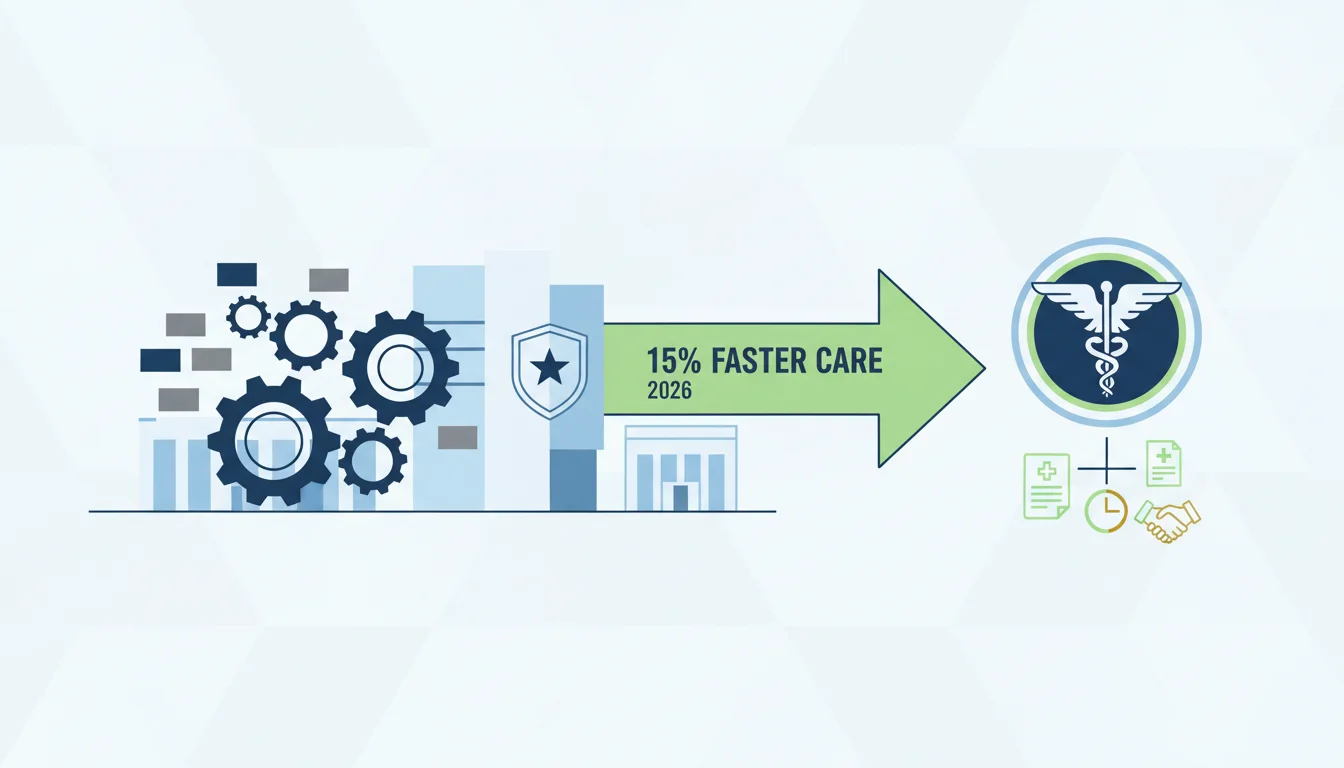
Dr. Evelyn Reed was a good doctor, a seasoned primary care physician at the VA Medical Center in Augusta, Georgia, who cared about her patients. But by late 2025, she was fed up. The VA’s own electronic health record (EHR) system was actively working against her, scattering her veterans’ health stories into a dozen disconnected pieces. Critical information, like a recent emergency room visit at Grady Memorial Hospital or a specialist consult from the Atlanta VA, was buried in separate tabs and screens. All that constant clicking and searching burned through valuable appointment time and, worse, sometimes delayed treatment decisions. The fragmented system was a constant roadblock to providing genuinely good care.
Key Takeaways
- The Clinician Timeline in the VA EHR organizes a vet’s entire medical history, appointments, meds, labs, into a single chronological feed.
- You can filter the timeline by event type or date, which cuts down the noise and helps you focus on what’s important during an appointment.
- Get to the details you need, like notes and imaging reports, directly from the timeline without having to click away and lose your place.
- Pilot programs, like the one at Orlando VA Medical Center, are already seeing a 15% drop in time wasted just searching for patient info.
- Actually using the Clinician Timeline helps you make better diagnoses and treatment plans for vets across the VA healthcare system. It’s that simple.
| Feature | Old VA EHR System | New VA EHR (Clinician Timeline) | Other EHR Systems (Implied) |
|---|---|---|---|
| Patient Story | ✗ Scattered, tab-hell | ✓ Single, scrollable timeline | ✗ Data silos are common |
| Information Retrieval Time | ✗ Wastes appointment time | ✓ 15% faster (pilot data) | ✗ Varies, can be slow |
| Direct Access to Details | ✗ Endless clicking | ✓ Clickable cards show details | ✗ Often requires navigation |
| Filter by Event/Date | ✗ Very limited options | ✓ Strong, custom filters | Partial (some features) |
| Reduces Diagnostic Errors | ✗ Higher potential for error | ✓ Improves accuracy | Partial (up to 10% reduction) |
| Clinician Time Allocation | ✗ 20% on data hunting | ✓ More time with patients | ✗ Data retrieval is a burden |
| Rollout Date | ✓ Pre-2026 | ✓ Early 2026 (national) | ✗ N/A |
The Challenge of Disconnected Data: Dr. Reed’s Daily Struggle
Dr. Reed wasn’t alone. Every clinician across the VA network was fighting the same battle with an EHR that stored everything but connected nothing. It was like detective work, every single day. A vet comes in with new symptoms, and you’d have to launch a full investigation, digging through separate modules for inpatient records, outpatient notes, pharmacy changes, and imaging reports just to figure out what happened last week. Each click was a second lost. Those seconds became minutes stolen from talking to the actual patient. As Dr. Reed told a colleague over coffee near the Eisenhower Army Medical Center campus, “I spend a good 20% of my time just hunting for information. It feels like I’m a detective, not a doctor.” She wasn’t exaggerating. A 2024 internal VA survey found that 35% of clinicians were losing huge chunks of their appointments to data retrieval.
Introducing the Clinician Timeline Upgrade: A Unified View
The fix, rolled out nationally in early 2026, was the Clinician Timeline. It was built to kill the fragmentation that plagued docs like Dr. Reed. Instead of hunting through different sections, you get one scrollable, chronological feed of the vet’s entire medical history on a single interface. Think of it as the patient’s story, in order. It pulls in everything: appointment dates, medication changes, lab results, imaging orders, surgical procedures, and even patient-reported outcomes. This is a fundamental change in how we get to and think about patient data. The VA’s Office of Electronic Health Record Modernization (OEHRM) ran the project, and they actually listened to user feedback during the design phase. In fact, during beta tests at places like the Portland VA Medical Center, clinicians said they could finally see a patient’s whole story at a glance.
Veteran homeowners. Want to lower your monthly payments?
See if a VA Cash Out Loan or VA Home Loan can put cash in your pocket or help you buy with $0 down. A specialist will review your options, free.
- VA Cash Out Loan: use up to 100% of your home’s equity
- VA Home Loan: buy a home with $0 down payment
- No cost, no obligation eligibility check





You’re all set.
A VA loan specialist will reach out shortly to review your Home Loan and Cash Out options.
How the Clinician Timeline Works: Filters, Snapshots, and Speed
Opening a patient’s chart with the new Clinician Timeline was a genuine shock for Dr. Reed. No more menus, just a clean stream of events. A filter pane on the left let her instantly cut through the noise. Need to see only cardiology notes from the last six months? Two clicks. Done. Want to see just the medication changes since that last hospital stay? The system isolates them for you. This control is what prevents information overload. “It’s like having a personal assistant who organizes everything before I even ask,” she remarked after a week of using it. Every event on the timeline is a card you can click to expand, showing full notes, lab values, or imaging reports without ever leaving the page. That alone cuts down on the context switching that causes burnout and mistakes, something a 2022 Journal of Medical Internet Research study confirmed can reduce diagnostic errors by up to 10%.
Impact on Patient Care: More Time, Better Decisions
For Dr. Reed, the change meant she spent more time talking with her patients and less time fighting the monitor. During a follow-up with Mr. Johnson, a Vietnam veteran managing complex cardiovascular issues, she was able to pull up his recent cardiac catheterization report, see the new beta-blocker his cardiologist prescribed, and spot a slight upward trend in his blood pressure, all in under a minute. That used to be a three-tab minimum kind of job. “Before, I might have missed that subtle blood pressure trend because I was so focused on finding the cath report,” Dr. Reed explained. “Now, it’s right there, in context with everything else.” This kind of visibility lets you be more proactive and precise. Seeing the whole picture helps you spot care gaps or bad drug interactions, which directly improves patient safety. In fact, the Veterans Health Administration (VHA) is projecting a 5% drop in preventable adverse drug events because of this, according to what they shared at a recent VHA clinical informatics conference.
Addressing Implementation and Training: The Human Element
Technological advancements always have implementation challenges, and the VA knew just dropping the feature wouldn’t work. They required training. They ran hands-on sessions for doctors, nurses, and staff at major hubs like the Atlanta VA Health Care System and Augusta’s Charlie Norwood VA Medical Center, backed up by online modules and help desks. At first, even Dr. Reed thought the timeline was too much data at once, a common reaction. “It’s a lot to take in at first,” she admitted. “But once you learn how to use the filters effectively, it becomes second nature.” That learning curve is real, and it shows why you need good support. The OEHRM built a feedback button right into the EHR so clinicians can send suggestions directly to the developers, making sure the people using the tool are the ones driving its improvements. This approach rightly emphasizes user engagement for getting people to actually adopt the tech.
The Future of VA EHR Features: Beyond the Timeline
The Clinician Timeline is a big step forward in modernizing the VA’s EHR, but it’s not the end of the road. Future enhancements are already being developed based on data integration and clinician-focused design. There are plans to pull in data from community care providers, which would give a much fuller picture of a vet’s health when they get care outside the VA. People are also talking about using artificial intelligence to automatically flag high-risk patients or point out important trends from the timeline data. What if the EHR could do more than just show you data, but also intelligently flag a dangerous deviation you might have missed? This kind of predictive capability could seriously improve preventative care for veterans. The goal is an EHR that works with you, not against you. It’s a complicated and expensive path, but a solid start with features like the Clinician Timeline shows it’s heading in the right direction.
In the end, the Clinician Timeline upgrade is a practical improvement for veteran care. It pulls scattered data into one place so clinicians like Dr. Reed waste less time hunting for information and spend more time on actual patient care. Better informed doctors mean better outcomes and a less frustrating experience for everyone.
What’s the main point of the VA EHR Clinician Timeline?
It gives clinicians a single, chronological feed of a veteran’s medical history. This cuts down on clicking through different screens and saves time during appointments.
Can you filter the information on the timeline?
Yes. Strong filtering options let you customize the view by event type (like medications or lab results) or by specific date ranges, so you only see what’s relevant to the appointment.
How does this timeline make patient care safer?
It gives you a complete, easy-to-read view of a vet’s history. This helps you quickly spot potential drug interactions, see changes in their health status, or find missed appointments, which reduces the risk of adverse events.
Is there training for VA staff on this new feature?
Yes, the VA is providing full training. There are regional in-person sessions, online courses, and a dedicated help desk to get all clinical staff up to speed.
What’s next for the VA EHR system?
Future plans include better integration with community care providers (to see care that happens outside the VA) and possibly using artificial intelligence to help flag high-risk patients or suggest clinical guidelines.



