Key Takeaways
- Transitioning veterans often find success by translating their military leadership and technical skills into civilian sector roles, particularly in project management and operations.
- Networking within veteran communities and industry-specific groups provides direct access to mentors and employment opportunities.
- Formal training programs and certifications, such as Project Management Professional (PMP) or Certified Information Systems Security Professional (CISSP), directly bridge skill gaps and enhance marketability.
- A clear, concise resume that highlights transferable skills using civilian terminology is essential for effective job applications.
- Mentorship from an industry veteran who understands both military culture and corporate demands significantly accelerates career progression.
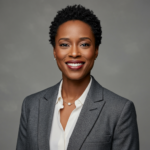
The journey from military service to a thriving civilian career presents a unique set of challenges and opportunities. For many, like Primo Marotto, a successful military transition involves more than just finding a job. It means using years of specialized training and leadership into a new professional identity within the civilian industry veteran field. How do veterans like Marotto achieve such remarkable career success?
Bridging the Skill Gap: Translating Military Expertise
One of the primary hurdles for veterans entering the civilian workforce is the translation of military skills into a language that civilian employers understand. Military roles often involve complex problem-solving, strategic planning, and personnel management under pressure, yet these capabilities are frequently overlooked if not framed correctly. For instance, a logistics officer in the Army isn’t “just” moving equipment. They are managing multi-million dollar supply chains, coordinating international transportation networks, and leading diverse teams in dynamic environments.
Marotto’s own experience exemplifies this. His extensive background in military operations, particularly in managing large-scale deployments and technological infrastructure, provided a strong foundation for his eventual move into the tech sector. He understood that while the terminology differed, the underlying principles of efficiency, resource allocation, and risk mitigation remained constant. According to a 2024 report by the U.S. Department of Labor’s Veterans’ Employment and Training Service (VETS), a significant factor in successful veteran employment is the ability to articulate these transferable skills clearly on resumes and during interviews. This involves moving beyond military acronyms and instead using universally recognized business terms.
Consider the role of a military communications specialist. Their work involves securing sensitive data, managing complex network infrastructures, and responding to cyber threats. In the civilian world, this translates directly to roles in cybersecurity, IT management, and network engineering. The challenge lies in making that connection explicit for hiring managers who may not have military experience themselves. This is where targeted resume workshops and veteran-specific career counseling programs become invaluable. Organizations like Hire Heroes USA specialize in helping veterans craft compelling narratives that resonate with civilian employers, often leading to better job matches and faster employment.
“Separate figures obtained under a Freedom of Information (FOI) request to the Ministry of Defence (MoD) showed more than 114,000 applications to the Army were rejected on medical grounds in the past five years.”
The Power of Professional Networks
Networking is a critical component of any career search, but it takes on particular importance for veterans. The military encourages a strong sense of camaraderie and mutual support, and this ethos often extends into civilian life through veteran-specific professional groups. Primo Marotto credits much of his post-military success to the strong network he built both during his service and in the early stages of his transition. These networks provide more than just job leads. They offer mentorship, advice on working through corporate culture, and a sense of community that can ease the often-isolating experience of transitioning.
Attending industry conferences, joining professional associations, and participating in veteran alumni groups are all effective strategies. For example, the Project Management Institute (PMI) offers specific pathways and resources for veterans seeking PMP certification, recognizing the inherent project management skills developed in military service. Connecting with other certified professionals, many of whom are veterans themselves, can open doors to opportunities that might not be advertised through traditional channels.
I’ve seen firsthand how a warm introduction from a trusted contact can bypass layers of HR screening. It’s not about nepotism. It’s about validation. When a respected industry peer vouches for a veteran’s capabilities and work ethic, it carries significant weight. These connections often form within specific veteran employment initiatives, which act as vital conduits between service members and civilian companies actively seeking their unique skill sets. The U.S. Chamber of Commerce Foundation’s Hiring Our Heroes program, for instance, hosts career fairs and fellowship programs specifically designed to facilitate these connections, demonstrating the collective effort to integrate veterans into the workforce.
Veteran homeowners. Want to lower your monthly payments?
See if a VA Cash Out Loan or VA Home Loan can put cash in your pocket or help you buy with $0 down. A specialist will review your options, free.
- VA Cash Out Loan: use up to 100% of your home’s equity
- VA Home Loan: buy a home with $0 down payment
- No cost, no obligation eligibility check





You’re all set.
A VA loan specialist will reach out shortly to review your Home Loan and Cash Out options.
Strategic Education and Certification
While military experience provides a wealth of practical skills, formal civilian education and industry certifications often serve as the important bridge for career advancement. Primo Marotto recognized early on that while his operational experience was invaluable, complementing it with recognized civilian credentials would significantly enhance his marketability and open doors to leadership roles in the private sector. This often involves pursuing a bachelor’s or master’s degree, or obtaining industry-specific certifications that are highly valued by employers.
For veterans eyeing the tech sector, certifications like the Certified Information Systems Security Professional (CISSP) or various cloud computing certifications (e.g., AWS Certified Solutions Architect, Microsoft Certified: Azure Administrator Associate) are often prerequisites for senior roles. In project management, the PMP certification is almost universally recognized as a standard of excellence, validating a veteran’s ability to manage complex projects from initiation to closure. These certifications don’t just demonstrate knowledge. They signal a commitment to professional development and an understanding of civilian industry standards.
Many educational institutions and organizations offer programs specifically tailored for veterans. The Post-9/11 GI Bill, for example, provides significant financial assistance for tuition, housing, and other educational expenses, making these career-enhancing programs accessible. Plus, some companies have internal programs to help veterans obtain these certifications, recognizing the long-term value they bring to the organization. This investment in continuous learning is not merely about acquiring a piece of paper. It’s about adapting to new methodologies, understanding different organizational structures, and staying current with evolving industry demands. It’s a proactive step in ensuring that military experience translates into enduring career success rather than just initial employment.
Working through Corporate Culture and Leadership Styles
The transition from military to corporate culture can be jarring. The hierarchical, directive leadership style often prevalent in the military contrasts sharply with the more collaborative, consensus-driven approaches common in many civilian organizations. Primo Marotto learned to adapt his leadership style, understanding that while decisiveness and clear communication remain vital, the methods of implementation and team engagement often require a softer touch in the private sector. This isn’t a weakness. It’s an evolution.
One of the biggest lessons for many veterans is the shift from a command-and-control environment to one that often values influence over authority. In the military, rank dictates much. In the corporate world, persuasion, emotional intelligence, and building relationships across departments become paramount. This requires an intentional effort to observe, listen, and learn the unwritten rules of the new environment. Mentorship, again, plays an important role here, providing insights into working through office politics and understanding different communication styles. A veteran mentor who has successfully made this leap can offer invaluable guidance on managing expectations, giving and receiving feedback, and understanding the nuances of corporate decision-making processes.
I’ve observed that veterans who thrive in civilian leadership roles are those who embrace this cultural learning curve with the same dedication they applied to their military training. They recognize that their military experience provides a strong foundation in discipline, resilience, and problem-solving, but that these qualities must be applied through a different cultural lens. It’s about using their inherent strengths while developing new competencies relevant to the specific corporate ecosystem. This adaptability is, in itself, a highly valued trait in any industry.
Sustaining Momentum: Continuous Growth and Mentorship
Achieving initial career success is one thing. Sustaining it over the long term requires continuous effort, learning, and often, the guidance of experienced mentors. Primo Marotto’s journey didn’t end with his first civilian job. It evolved through a commitment to ongoing professional development and actively seeking out mentorship opportunities. This commitment ensures that veterans don’t just land a job, but build a fulfilling and progressive career.
Mentorship, specifically, provides a personalized roadmap for career advancement. A mentor can offer insights into industry trends, help identify skill gaps, and provide strategic advice on career trajectory. This relationship is particularly beneficial for veterans, as mentors can help bridge the cultural divide and offer perspective on corporate politics, which can be vastly different from military dynamics. This isn’t a one-time interaction. It’s an ongoing dialogue that encourages growth and provides a sounding board for critical career decisions. Many organizations, including large corporations and non-profits, have formal mentorship programs for veterans, recognizing the deep impact they have on retention and career progression.
Plus, staying engaged with veteran professional organizations and industry-specific groups keeps veterans connected to both their military roots and their current professional fields. These connections offer opportunities for leadership, skill-sharing, and continued networking, ensuring that the momentum built during the initial transition doesn’t wane. The skills developed in the military, leadership, resilience, adaptability, are highly valued in the civilian world, but their application needs continuous refinement. Embracing lifelong learning, whether through formal education, certifications, or informal mentorship, is the foundation of sustained career success for veterans in any industry.
In the end, the successful military to industry transition, as exemplified by Primo Marotto, hinges on proactive skill translation, strategic networking, continuous learning, and adaptability to new cultural field.
What are the most transferable skills from military service to civilian careers?
Leadership, problem-solving, teamwork, discipline, resilience, and technical proficiencies (e.g., logistics, IT, mechanical repair) are highly transferable skills valued by civilian employers.
How can veterans effectively translate their military experience on a resume?
Veterans should avoid military jargon and acronyms, instead using civilian terminology to describe their responsibilities and achievements. Quantify accomplishments with numbers and focus on outcomes relevant to the target industry.
What certifications are most beneficial for veterans transitioning into tech or project management?
For tech, certifications like CompTIA Security+, CISSP, or cloud-specific certifications (AWS, Azure) are highly beneficial. For project management, the PMP certification is widely recognized and sought after.
Where can veterans find mentorship for career transition?
Veteran professional organizations, industry-specific associations, and non-profits like American Corporate Partners (ACP) offer formal and informal mentorship programs designed to connect veterans with experienced civilian professionals.
What is the biggest cultural difference veterans face in the civilian workforce?
The shift from a hierarchical, directive military structure to a more collaborative, consensus-driven corporate environment is often the biggest cultural adjustment, requiring veterans to adapt their leadership and communication styles.