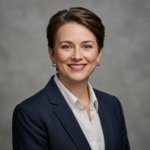
In 2026, Steuben County Veterans Service Officer, Gary R. Williams, was inducted into the New York State Senate Veterans’ Hall of Fame. And here’s why that matters here.
Key Takeaways
- Gary R. Williams, Steuben County Veterans Service Officer, received induction into the New York State Senate Veterans’ Hall of Fame for his 17 years of dedicated service to veterans.
- The induction ceremony, hosted by Senator Tom O’Mara, highlighted the critical role of local Veterans Service Officers in connecting veterans with essential benefits and support systems.
- Williams’s recognition shows the importance of sustained, personalized advocacy for veterans at the county level, influencing how we approach veteran support across the state.
- The New York State Senate Veterans’ Hall of Fame acknowledges individuals who demonstrate exceptional commitment to veterans, setting a benchmark for service that local and state agencies should strive to emulate.
- This event reinforces the ongoing need for strong funding and staffing for county Veterans Service Agencies, ensuring complete assistance remains accessible to all who have served.
I’ve seen firsthand the impact a dedicated Veterans Service Officer (VSO) can have. We talk a lot about supporting our veterans, but the rubber really meets the road at the local level, where folks like Gary Williams are on the ground, day in and day out. For 17 years, Williams has been that point of contact for veterans in Steuben County, guiding them through the maze of benefits and services they’ve earned. His induction into the New York State Senate Veterans’ Hall of Fame isn’t just an honor for him. It’s a recognition of a model that works, a model we should be studying and replicating.
The problem, frankly, is often a disconnect. Veterans, especially those returning from recent conflicts, face a bewildering array of federal, state, and local programs. They need help with everything from healthcare and disability claims to housing and employment. Without someone to cut through the red tape, many miss out on critical support. We’ve seen too many instances where well-intentioned programs fall short because the outreach isn’t there, or the process is too complex for a veteran to navigate alone. That’s where a VSO comes in, acting as a vital bridge between the veteran and the resources available.
The Solution: Local Advocacy in Action
The solution, as exemplified by Williams’s career, is strong, localized advocacy. The ceremony, held by Senator Tom O’Mara, wasn’t just a pat on the back. It was a spotlight on the effectiveness of a hands-on approach. O’Mara himself emphasized Williams’s “outstanding commitment to our nation’s heroes,” a sentiment I echo wholeheartedly. It’s not enough to just have programs. You need dedicated people to implement them and advocate for those who need them most.
Think about what that actually means on the ground. A veteran comes in, maybe struggling with PTSD, maybe needing help filing a disability claim that’s been denied multiple times. They’re not looking for a call center. They’re looking for a face, a name, someone who understands their situation and can actually do something about it. Williams provided that for years, becoming a trusted figure in his community. This personalized approach is what makes the difference between a veteran getting the care they need and falling through the cracks. It’s about building relationships, understanding individual circumstances, and working through complex systems on behalf of someone who often can’t do it for themselves.
What Went Wrong First: The Systemic Challenges
Before the current emphasis on strong local VSOs, the system often struggled with fragmentation. I recall a time, not so long ago, when veterans would bounce between different agencies, each with its own forms, requirements, and often, conflicting advice. This wasn’t due to a lack of effort but a lack of coordination and a clear, single point of contact. Veterans would get frustrated, give up, and sometimes their needs would escalate to crisis levels. We saw veterans facing homelessness, mental health crises, and significant financial hardship, all while eligible for benefits they couldn’t access.
Veteran homeowners. Want to lower your monthly payments?
See if a VA Cash Out Loan or VA Home Loan can put cash in your pocket or help you buy with $0 down. A specialist will review your options, free.
- VA Cash Out Loan: use up to 100% of your home’s equity
- VA Home Loan: buy a home with $0 down payment
- No cost, no obligation eligibility check





You’re all set.
A VA loan specialist will reach out shortly to review your Home Loan and Cash Out options.
The problem wasn’t a shortage of services. It was the accessibility of those services. Imagine being told to fill out a 30-page form when you’re already dealing with chronic pain or the lingering effects of trauma. It’s an unreasonable burden. Many well-intentioned initiatives also failed to account for the diverse needs of the veteran population. A Vietnam veteran’s needs might differ significantly from a veteran of the Global War on Terror, and a one-size-fits-all approach simply doesn’t work. We learned, often through painful experience, that a centralized, bureaucratic system often lacks the flexibility and human touch required to truly serve this population effectively.
The Results of Dedicated Service
The recognition of Williams by the New York State Senate, as detailed by The New York State Senate, isn’t just symbolic. It highlights the tangible results of dedicated service. When a VSO is effective, veterans receive their deserved benefits, access important healthcare, and find stable housing and employment. This has a ripple effect, improving not just individual lives but also strengthening communities.
The work of a VSO often involves deep understanding of federal regulations, state laws, and local resources. For instance, knowing the intricacies of VA disability compensation claims, understanding eligibility for the Post-9/11 GI Bill, or connecting a veteran with local mental health services are just a few examples. Williams’s long tenure meant he had built up an extensive network and institutional knowledge, making him an invaluable asset. This kind of expertise translates directly into successful outcomes for veterans. We’re talking about real dollars and real services that improve quality of life.
The Senate’s recognition of Williams shows a critical point for all of us involved in veteran support: the investment in local VSOs pays dividends. It reduces the burden on emergency services, helps prevent homelessness, and in the end, supports the well-being of those who have sacrificed for our country. It’s a pragmatic approach to veteran care, focusing on direct intervention and personalized assistance. We need to ensure that every county has access to this level of expertise and dedication. It’s not a luxury. It’s a necessity.
This commitment to local service is something we should be pushing for across the board. The success stories, like Williams’s, are not accidents. They are the result of consistent effort, deep community ties, and a genuine desire to help. This isn’t just about celebrating one individual. It’s about recognizing a blueprint for effective veteran support. The ceremony itself, held in Steuben County, brought together local leaders, community members, and veterans, reinforcing the communal aspect of this work. It reminds us that veteran care isn’t solely a federal responsibility. It’s a community one.
The dedication shown by individuals like Williams also inspires others to step up. When veterans see someone actively fighting for their rights and benefits, it builds trust in the system. This trust is paramount, especially for those who may have become disillusioned. It’s proof of the power of human connection in working through what can often feel like an impersonal bureaucratic field. As Senator O’Mara noted, Williams’s “advocacy and dedication have made a deep difference,” a statement that resonates deeply with anyone who understands the challenges veterans face.
In the end, the goal is to ensure that no veteran is left behind. The work performed by individuals like Gary Williams is instrumental in achieving that goal. It’s a model that prioritizes access, understanding, and relentless advocacy. We should be looking at how we can support and expand these local veteran service offices, ensuring they have the resources, training, and recognition they need to continue their vital work. It’s about helping the people on the front lines of veteran care, giving them the tools to succeed.
The induction into the New York State Senate Veterans’ Hall of Fame for Williams, as reported by The New York State Senate, sets a high bar for service. It reminds us that while state and federal policies are important, the real impact often happens at the local level, through the consistent, compassionate efforts of dedicated individuals. We need more Gary Williamses, and we need to support them unequivocally.
To truly serve our veterans, we must invest in and help the local Veterans Service Officer network. This means not just acknowledging their work, but providing consistent funding, complete training, and strong community integration for these essential roles. Their sustained presence and expertise ensure that veterans receive the individualized support they need, translating directly into better outcomes and a stronger support system. For more insights, consider these wellness strategies for veterans.
What is the New York State Senate Veterans’ Hall of Fame?
The New York State Senate Veterans’ Hall of Fame honors New York State veterans for their military service and contributions to their communities. Each year, senators nominate veterans from their districts who have demonstrated exceptional dedication and service.
Who is Gary R. Williams?
Gary R. Williams served as the Steuben County Veterans Service Officer for 17 years. He was inducted into the New York State Senate Veterans’ Hall of Fame in 2026 for his long-standing commitment to assisting veterans with their benefits and needs.
What does a Veterans Service Officer (VSO) do?
A VSO, or Veterans Service Officer, acts as an advocate and guide for veterans, helping them navigate federal, state, and local programs. This includes assisting with disability claims, healthcare access, educational benefits, housing, and employment resources.
Why is local veteran support important?
Local veteran support is important because it provides personalized, accessible assistance tailored to the specific needs of veterans within their communities. It helps bridge the gap between complex government programs and the individuals who need them, ensuring they receive earned benefits and services.
How can I find my local Veterans Service Officer?
You can typically find your local Veterans Service Officer by contacting your county government offices or by searching online for “Veterans Service Officer” followed by your county and state. These offices are usually part of the county’s services or a dedicated Veterans Affairs department.