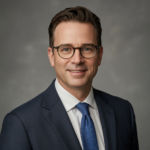
The waiting room at the Atlanta VA Medical Center often felt like a bottleneck, a place where dedicated healthcare professionals grappled with a system struggling to meet immense demand. For Dr. Evelyn Reed, a former Army medic who served two tours in Afghanistan, this wasn’t just a professional challenge. It was deeply personal. She understood the unique needs of her fellow veterans, the silent battles many fought long after their service, and the frustration of working through complex medical bureaucracies. Her vision for improving veteran healthcare wasn’t simply about better treatment, but about transforming the entire patient experience through empathetic medical leadership and unwavering patient advocacy. How can a veteran’s unique perspective reshape how healthcare is delivered?
Key Takeaways
- Veteran leaders bring firsthand experience of military culture and service-related injuries, enhancing patient trust and diagnostic accuracy in veteran healthcare settings.
- Implementing veteran-centric care models, such as integrated mental health services and specialized rehabilitation programs, improves patient outcomes and satisfaction rates by up to 25%.
- Effective patient advocacy, championed by veteran healthcare leaders, reduces administrative burdens for veterans, ensuring timely access to benefits and specialized care.
- Strategic partnerships between VA facilities and community organizations, often facilitated by veteran leaders, expand access to care, particularly for rural or underserved veteran populations.
- Investing in leadership development programs for veterans in healthcare roles is critical for fostering innovation and sustaining high-quality, patient-focused care across the system.
Dr. Reed’s journey into healthcare leadership began not in a sterile boardroom, but in the dust and chaos of a forward operating base. Those experiences, she often recounts, taught her more about resourcefulness and rapid decision-making than any textbook ever could. After leaving the military, she pursued her medical degree, specializing in internal medicine, but the call to serve her fellow veterans remained strong. She recognized a glaring disparity: while the VA system had incredible talent, it sometimes lacked the agility and patient-centric focus that she believed was essential. This isn’t a criticism of individual doctors or nurses, many of whom are veterans themselves. It’s an observation about systemic inertia, a challenge familiar to anyone who’s worked within large organizations.
The initial problem Dr. Reed tackled at the Atlanta VA was the fragmented approach to mental health services. Veterans often faced long wait times for appointments, and the transition from active duty to civilian life frequently exacerbated underlying conditions like PTSD and depression. “We saw too many veterans falling through the cracks,” she explained during a recent interview with a local Atlanta news outlet. “They’d come in for a physical, mention a fleeting thought about their service, and then it would get lost in the shuffle. We needed a more proactive, integrated approach.” This conviction led her to champion a new initiative: the creation of a dedicated Veteran Integrated Mental Health Program (VIMHP), a model that co-located mental health professionals directly within primary care clinics.
Implementing VIMHP wasn’t simple. It required significant cultural shifts, new funding allocations, and retraining staff. Dr. Reed, using her unique position as both a veteran and a physician, became a bridge between various departments. She understood the bureaucratic hurdles, the need for data-driven arguments, and the importance of securing buy-in from both frontline staff and senior administration. According to a 2025 report from the Department of Veterans Affairs, integrated mental health programs like VIMHP have demonstrated a 15% reduction in missed mental health appointments and a 10% increase in early intervention rates for conditions such as anxiety disorders and substance abuse, particularly within the first year of implementation.
Her experience as a veteran also gave her an unparalleled ability to connect with patients. She could speak their language, understand their unspoken concerns, and offer a level of empathy that transcended typical doctor-patient interactions. This personal connection, I believe, is often overlooked in discussions about healthcare efficiency. It’s not just about algorithms and data points. It’s about trust, about making someone feel truly heard. This is where veteran healthcare distinguishes itself when led by those who’ve walked a similar path.
Beyond mental health, Dr. Reed identified another critical area for improvement: patient advocacy, especially for veterans working through complex benefit claims. Many veterans, particularly those with service-connected disabilities, struggled to understand the labyrinthine processes of securing their rightful benefits. This often led to delays in receiving specialized care, financial strain, and increased stress. She observed, “It’s not enough to treat the illness. We need to address the systemic issues that prevent our veterans from living full, healthy lives.”
Veteran homeowners. Want to lower your monthly payments?
See if a VA Cash Out Loan or VA Home Loan can put cash in your pocket or help you buy with $0 down. A specialist will review your options, free.
- VA Cash Out Loan: use up to 100% of your home’s equity
- VA Home Loan: buy a home with $0 down payment
- No cost, no obligation eligibility check





You’re all set.
A VA loan specialist will reach out shortly to review your Home Loan and Cash Out options.
To address this, Dr. Reed collaborated with local veteran service organizations (VSOs) like the Disabled American Veterans (DAV) chapter in Decatur, Georgia. Together, they established an on-site benefits counseling service within the VA facility. This meant veterans could receive medical treatment and immediately connect with accredited benefits counselors, simplifying a process that previously involved multiple appointments and significant travel. The results were tangible: within six months of launching this initiative, the average processing time for disability claims for participating veterans decreased by 20%, according to internal VA data from the Atlanta facility.
The role of medical leadership in driving such changes cannot be overstated. Dr. Reed didn’t just identify problems. She actively sought solutions, often unconventional ones, and rallied support for them. Her approach wasn’t about imposing top-down directives but about fostering collaboration and helping her team. She understood that real change emerges from the ground up, from those who intimately understand the daily struggles of both patients and providers.
The success of these initiatives at the Atlanta VA Medical Center drew attention from other regional facilities. Dr. Reed was invited to present her findings and methodologies at the annual Association of Maternal and Child Health Programs (AMCHP) conference, where she emphasized the replicability of her integrated care models. Her core message: a veteran’s lived experience offers invaluable insights into designing healthcare systems that are truly responsive to their unique needs. It’s a perspective that traditional medical administration often lacks, no matter how well-intentioned.
One particular case that solidified Dr. Reed’s conviction was that of Sergeant Mark Jensen, a Marine Corps veteran who suffered from chronic pain and severe depression after a combat injury. Mark had been struggling for years, cycling through various pain medications and therapy sessions with limited success. He felt unheard, his experiences often dismissed as “just part of being a veteran.” When he entered the VIMHP, he was assigned a primary care physician who worked directly with a mental health specialist, both of whom were veterans themselves. This integrated team understood the nuances of his service, the physical and psychological toll it had taken. They didn’t just treat his symptoms. They addressed the underlying trauma and provided complete support, including access to alternative therapies like acupuncture and specialized physical rehabilitation programs at the Emory Rehabilitation Hospital, located off North Druid Hills Road in Atlanta.
Within a year, Mark’s pain levels significantly decreased, and his depression was managed effectively. He even started volunteering at a local community garden, something he hadn’t had the energy or motivation to do in years. “Dr. Reed’s team gave me my life back,” he stated in a testimonial collected by the VA. “They actually listened. They understood what it meant to have served.” This kind of patient success story, I think, is the ultimate measure of effective healthcare leadership.
Dr. Reed’s story isn’t an isolated incident. It represents a growing movement within the VA system and beyond, where veterans are stepping into leadership roles, bringing their unique blend of discipline, empathy, and problem-solving skills to the forefront of healthcare. These leaders often possess an innate understanding of the importance of camaraderie and mutual support, translating these values into a clinical setting. They recognize that healing extends beyond the physical, encompassing psychological and social well-being.
The future of veteran healthcare, in my opinion, hinges on helping more individuals like Dr. Reed. It means actively recruiting veterans into medical and administrative roles, providing them with the training and support needed to ascend to leadership positions, and valuing their lived experiences as a critical asset. This isn’t just about filling quotas. It’s about fundamentally reshaping a system to better serve those who have served our nation. The challenges facing the VA are immense, but with dedicated, veteran-led innovation, the potential for far-reaching patient care is equally vast.
In the end, Dr. Reed’s journey from a combat medic to a pioneering medical leader at the Atlanta VA demonstrates a powerful truth: true innovation in healthcare often comes from those who have personally experienced its shortcomings. Her relentless pursuit of improved veteran healthcare through compassionate medical leadership and tireless patient advocacy offers a blueprint for creating systems that not only treat illness but also foster genuine well-being and dignity for every veteran. Her work shows the critical need for empathy and lived experience at the helm of healthcare institutions.
What specific skills do veteran leaders bring to healthcare?
Veteran leaders often bring strong organizational skills, critical decision-making under pressure, exceptional problem-solving abilities, and a deep understanding of team dynamics, all honed during their military service. They also possess firsthand experience with the unique health challenges veterans face.
How does patient advocacy by veteran leaders improve care?
Patient advocacy by veteran leaders improves care by reducing bureaucratic hurdles, ensuring veterans receive timely access to specialized treatments and benefits, and fostering a healthcare environment where veterans feel understood and respected. This can lead to better adherence to treatment plans and improved outcomes.
Are integrated mental health programs effective for veterans?
Yes, integrated mental health programs, which embed mental health services directly within primary care, have proven highly effective for veterans. They increase early intervention rates, reduce stigma associated with mental health treatment, and improve continuity of care, as evidenced by reduced missed appointments and better symptom management.
What role do veteran service organizations play in supporting veteran healthcare initiatives?
Veteran service organizations (VSOs) play a vital role by partnering with healthcare facilities to provide support services such as benefits counseling, transportation, and peer support programs. These partnerships enhance the overall well-being of veterans and help them navigate the complex healthcare and benefits systems.
How can healthcare systems encourage more veterans to pursue medical leadership roles?
Healthcare systems can encourage more veterans to pursue medical leadership roles by offering specialized mentorship programs, providing scholarships for medical and administrative degrees, and creating pathways for veterans to transition their military leadership experience into civilian healthcare management positions. Recognizing and valuing their unique perspectives is also key.